How Often Should You Service Your Car in India? Complete Guide for Car Owners
Introduction
Owning a car in India is convenient, but it also comes with responsibility. Regular servicing is one of the most important parts of car ownership, yet many drivers ignore it until something goes wrong. Waiting too long between services can lead to reduced performance, poor fuel efficiency, and expensive repairs.
Indian driving conditions are often tougher than those in many other countries. Heavy traffic, dusty roads, extreme temperatures, and frequent stop-and-go driving can put extra stress on a vehicle. Because of this, car servicing schedules in India often need to be followed more carefully.
Many car owners ask the same question: how often should a car be serviced in India? The answer depends on factors such as the type of car, driving habits, and manufacturer recommendations. However, there are general guidelines that every driver should know.
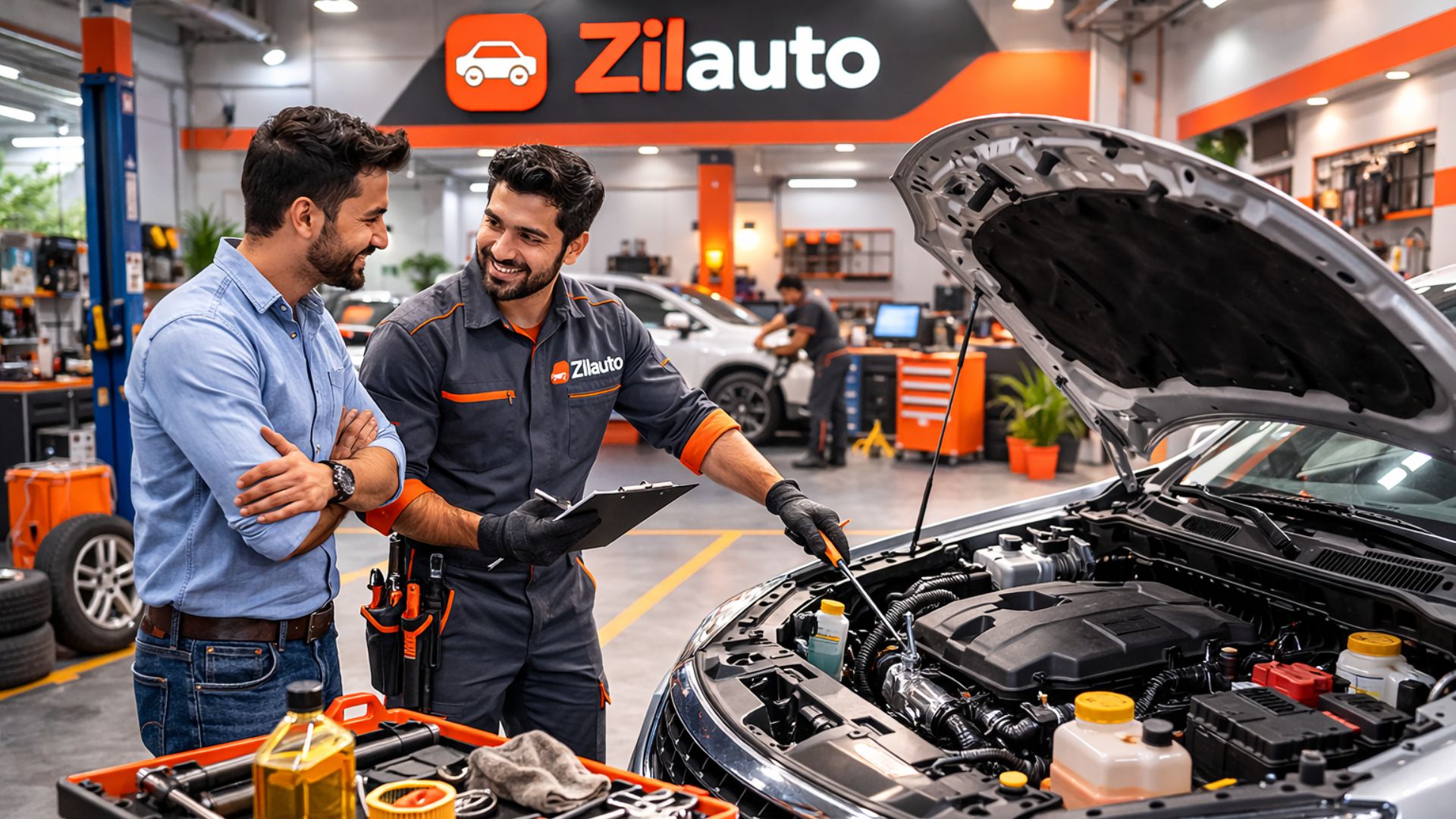
Today, finding a trusted workshop is also much easier than before. Platforms like Zilauto allow car owners to discover verified workshops, compare services, and book appointments easily through the Zilauto platform. Instead of randomly searching for mechanics, drivers can explore reliable garages and choose the right one for their needs.
In this guide, we’ll explain the ideal car servicing intervals in India, what happens during a service, and how regular maintenance can extend the life of your vehicle.
Quick Answer
In India, most cars should be serviced every 6 months or every 5,000–10,000 kilometers, whichever comes first. However, the exact interval depends on the car manufacturer, engine type, and driving conditions. Regular servicing helps maintain performance, improves fuel efficiency, and prevents costly repairs.
Background / Overview
Car servicing is a routine maintenance process where mechanics inspect, repair, and replace components to ensure the vehicle runs smoothly.
Most modern cars come with manufacturer-recommended service schedules. These schedules usually mention the service interval in terms of distance traveled or time passed, whichever occurs earlier.
For example, many manufacturers recommend servicing:
-
Every 10,000 km or
-
Every 12 months
However, Indian conditions often require slightly more frequent servicing due to factors such as:
-
Dusty roads
-
Traffic congestion
-
High temperatures
-
Frequent short-distance driving
These conditions can cause engine oil to degrade faster and mechanical parts to wear more quickly.
As a result, many automotive experts recommend servicing a car every 6 months or around 5,000–7,000 km for better reliability.
Key Highlights
Car servicing plays a crucial role in maintaining your vehicle’s performance and longevity.
Some important highlights every car owner should remember include:
Regular servicing improves engine efficiency and fuel economy. A well-maintained engine consumes fuel more efficiently and runs smoothly.
Routine maintenance helps detect problems early. Mechanics can identify worn-out parts before they cause major failures.
Proper servicing increases vehicle lifespan. Cars that receive regular maintenance often last much longer than neglected vehicles.
Regular service also improves driving safety. Components such as brakes, suspension, and tires are inspected during servicing, ensuring that the car remains safe on the road.
Design / Features / Specs
Although the term “design” usually refers to a car’s physical characteristics, it also applies to how modern vehicles are engineered to support scheduled maintenance.
Most modern cars include features that help monitor servicing needs. These include onboard diagnostics systems, service reminder alerts, and digital maintenance records.
Service reminders are particularly useful. Many vehicles display a notification on the dashboard when the next service is due. These reminders are based on mileage or time intervals.
Additionally, modern engines are designed with longer oil life compared to older vehicles. Advanced synthetic engine oils can last longer, allowing extended service intervals without affecting performance.
However, even with advanced engineering, skipping regular servicing can still lead to long-term issues.
Performance or Real World Impact
Regular servicing has a direct impact on how your car performs on the road.
One of the most noticeable benefits is improved fuel efficiency. Dirty air filters, degraded engine oil, and clogged fuel systems can reduce engine efficiency. Servicing helps restore optimal performance.
Another important factor is engine health. Over time, engine oil collects dirt, metal particles, and carbon deposits. If the oil is not replaced regularly, these contaminants can damage engine components.
Drivers may also notice smoother driving after servicing. Gear shifts become smoother, engine noise reduces, and acceleration improves.
Perhaps the biggest advantage of regular servicing is avoiding unexpected breakdowns. A small issue discovered during routine maintenance can prevent a major repair later.
Comparison (When Relevant)
Many car owners often compare regular servicing vs delayed servicing.
| Factor | Regular Servicing | Delayed Servicing |
|---|---|---|
| Engine performance | Smooth and efficient | Reduced efficiency |
| Fuel economy | Better mileage | Higher fuel consumption |
| Repair cost | Lower long-term cost | Expensive repairs |
| Reliability | High | Increased breakdown risk |
From a long-term perspective, regular servicing is always the better option.
Price or Market Context
The cost of car servicing in India varies depending on the type of vehicle and service required.
For example, typical servicing costs may look like this:
-
Hatchback servicing: ₹3,000 – ₹6,000
-
Sedan servicing: ₹4,000 – ₹8,000
-
SUV servicing: ₹6,000 – ₹12,000
Prices also vary depending on whether the service is basic maintenance or a major service involving multiple part replacements.
Many car owners now prefer comparing workshops online before booking a service. Platforms like the Zilauto car services page allow drivers to explore service options and check pricing before visiting a garage.
Many automotive experts also emphasize the importance of following a proper service schedule to maintain engine health and vehicle reliability. According to insights shared by Autocar India, regular maintenance helps prevent unexpected breakdowns and ensures that key components like engine oil, filters, and brakes continue performing efficiently over time.
Pros & Cons
Pros
Regular servicing improves engine performance and fuel efficiency.
It helps identify mechanical issues early.
Routine maintenance reduces the risk of breakdowns.
Well-maintained cars retain higher resale value.
Cons
Servicing requires time and planning.
Costs can increase if multiple parts need replacement.
Despite these minor drawbacks, regular servicing remains essential for any vehicle.
Verdict
Regular car servicing is not just a recommendation—it is a necessity for maintaining a healthy vehicle. Following the manufacturer’s service schedule ensures that critical components remain in good condition and the engine continues performing efficiently.
For Indian driving conditions, servicing a car every 6 months or 5,000–10,000 km is generally a safe and effective guideline.
Drivers who follow regular maintenance schedules often enjoy better reliability, improved fuel economy, and lower long-term repair costs.
Conclusion
Servicing your car at the right interval is one of the simplest ways to protect your investment. Ignoring maintenance may save money in the short term, but it often leads to bigger repair bills later.
By following recommended servicing intervals and choosing trusted workshops, car owners can keep their vehicles running smoothly for years.
Modern platforms like Zilauto also make it easier to find reliable garages and compare services before booking. Instead of guessing where to go, drivers can explore verified workshops and choose the right service provider for their car.
FAQs
How often should a car be serviced in India?
Most cars should be serviced every 6 months or 5,000–10,000 kilometers, depending on driving conditions and manufacturer recommendations.
What happens during a car service?
A typical car service includes engine oil replacement, filter changes, brake inspection, fluid checks, and general vehicle inspection.
Is it okay to skip a scheduled car service?
Skipping a service can lead to engine wear, reduced fuel efficiency, and potential mechanical issues.
How long does a car service usually take?
Basic servicing typically takes 2–4 hours, depending on the workshop and the work required.
Can I book car service online?
Yes, many platforms now allow online booking. Car owners can discover verified garages and book services through platforms like https://zilauto.com/.
Comments